

The Chainsaw and the Ledger: Two and a Half Years of Milei's Economic Experiment in Argentina
In November 2023, Argentina had the highest inflation rate in the world — 211 percent annually. More than half the country's population would soon be living below the poverty line. The central bank held negative net reserves. The fiscal deficit was compounding year by year. The incoming president had no prior political experience, had run a campaign using a literal chainsaw as a prop, and had publicly declared that the state itself was the enemy of prosperity.
Most economists expected catastrophe. A letter signed by more than 100 economists, including Thomas Piketty, Jayati Ghosh, and Branko Milanovic, warned that electing Milei would bring "devastation" to Argentina. What followed was considerably more complicated — and considerably more interesting — than the predicted disaster.
What Was Inherited and What Was Decided
To evaluate what Milei has achieved, you have to start from where he started. When Milei assumed the presidency on December 10, 2023, he inherited an economy in terminal decline. Argentina faced hyperinflation exceeding 211 percent annually, a fiscal deficit of 2.9 percent of GDP, and foreign currency reserves so depleted that the Central Bank held negative net reserves of approximately 11.5 billion dollars.
His response was what he called shock therapy, and critics called it recklessness. He cut federal spending by 28 percent, cut the number of federal ministries in half, eliminated price controls, subsidies, tariffs, and export restrictions, cut local government budgets dramatically, and immediately devalued the peso by 50 percent to close the gap between the official exchange rate and the black-market rate.
Through an aggressive program of public spending cuts, eliminating bureaucracy, and reducing public sector jobs, he erased Argentina's massive fiscal deficit, paving the way for what he described as a historic economic recovery. Milei urged citizens to tighten their belts and save resources to rebuild the nation — not the conventional political message, but one that Argentines, exhausted by decades of Peronist promises that always preceded more inflation, appeared to receive with something like relief.
The Fiscal Turnaround: First Surplus in Fourteen Years
In October 2024, Argentina achieved its first budget surplus in twelve years. The country achieved its first fiscal surplus in 14 years at 1.8 percent of GDP in 2024. This is perhaps the single most structurally important achievement of the Milei administration, because the fiscal deficit — financed through money creation — had been the engine of Argentine inflation for decades.
Through significant cuts in government spending, merging ministries, abolishing agencies, reducing subsidies, and laying off 56,000 civil servants — many of whom had been hired by the previous government as a welfare measure for party loyalists — Milei achieved a surplus while the economy was still contracting. That combination — austerity producing a surplus in a recession — is rare in any country's history.
Inflation: From 211 Percent to Approaching Normal
Annual inflation dropped from 211.4 percent in 2023 to 43.5 percent by mid-2025. Wholesale prices fell by 0.3 percent in May, the best figure in 17 years. In May 2025, the consumer price index rose by just 1.5 percent — the lowest in five years.
When Milei took office, he inherited the world's highest inflation rate of 211 percent. Currently, it is at its lowest level since 2018. Forecasts for 2026 predict a further decline to 20 percent on average.
The mechanism for this disinflation was not price controls, which Milei rejected ideologically and practically. These achievements stemmed from a clear strategy: fiscal balance, reduced public spending, ending monetary expansion as a financing tool, and economic deregulation. When the government stopped printing money to finance its operations, the primary fuel of Argentine inflation was removed.
The Central Bank cut its main policy rate by 102 percentage points from December 2023 to January 2025. Lower interest rates helped boost credit to the economy; private-sector credit rose by triple figures.
There is an important caveat to the inflation picture. Month-on-month price changes have remained stubbornly near 2 percent in 2025, propped up by substantial peso weakening in nominal terms. Monthly inflation at 2 percent still annualizes to roughly 27 percent — far better than 211 percent but still far higher than any developed economy would consider stable. The disinflationary process is real but incomplete.
GDP and the Recovery Trajectory
Things got worse before they got better. The annual inflation rate in Argentina hit 289.4 percent in April 2024, one of the highest in the world, as the combined effect of lifting exchange controls and the peso devaluation temporarily accelerated price increases.
Argentina's economy grew 4.4 percent in 2025, bouncing back from a 1.7 percent contraction in 2024 — Milei's brutal first year of austerity. The IMF expects 4.5 percent growth on an annual basis — the highest growth rate in Latin America. April 2025 data showed year-on-year GDP growth of 7.7 percent, outperforming projections.
The sectoral composition of this growth matters. Economic activity is being boosted by the agricultural, mining, and energy sectors. Argentina's Vaca Muerta shale formation has attracted significant investment and is driving meaningful growth in oil and gas output. Consumer spending is also significantly on the rise as a direct result of macroeconomic stabilization measures, new business-friendly legislation, and growing confidence that the government will maintain its tight fiscal approach.
Poverty: The Painful Peak and the Subsequent Decline
Milei's policies led to a temporary spike in the poverty rate, which rose to 53 percent in the first half of 2024 from 42 percent in the second half of 2023. That is a stark number — more than half of a country of 47 million people falling below the poverty line at the same time.
Poverty peaked at 52.9 percent in the first half of 2024 — the worst reading in decades — as Milei's 120 percent devaluation and subsidy cuts devastated purchasing power. By the second half of 2025, INDEC reported a decline to 28.2 percent — the lowest since 2018. Extreme poverty fell to 6.3 percent, affecting about 1.9 million people.
According to UNICEF, 1.7 million children were lifted out of poverty since Milei took office.
There are legitimate questions about these numbers. The Catholic University of Argentina warned that INDEC's methodology may overstate the decline, noting that roughly three-quarters of the measured improvement could be a statistical effect of lower monthly inflation rather than genuine income gains. Measuring poverty in a high-inflation environment is methodologically complex — when the poverty line is calculated using current prices, and inflation slows dramatically, the measured poverty rate can fall substantially even if real living standards haven't improved by the same magnitude.
Deregulation and Market Reform
With the consistent dismantling of regulations and bold liberalization across the housing market, air transport, and the reduction of customs duties and price controls on imported goods, including national staples like mate tea, Argentines now pay lower prices and enjoy a better selection, and domestic and foreign companies are investing in the country again.
Milei's newly created Ministry of Deregulation has been radically liberalizing the economy. Authorities relaxed tenancy laws to boost the supply of rental properties and tweaked employment rules in favor of employers in order to make the labor market less rigid.
Argentina's Merval stock index is up 174 percent. Moody's raised Argentina's long-term foreign currency sovereign credit rating for the first time in five years, citing the government's policy shift and the resulting stabilization of external finances. S&P also confirmed a rating upgrade, citing reduced foreign currency risks. Even the IMF admitted Milei had achieved "better-than-expected results."
Political Capital and the October 2025 Electoral Mandate
The Argentine population gave Milei a clear mandate for his reform course in the congressional elections on October 26. With 41 percent, his party, La Libertad Avanza, was well ahead of the Peronist Fuerza Patria at 32 percent. With 95 members of parliament, La Libertad Avanza has the largest parliamentary group in the National Assembly, after several MPs joined it since the election.
According to polling by Opina Argentina, 49 percent of Argentines have a positive opinion of Milei — by far the most popular politician in the country. This is a remarkable position for a leader who imposed the most severe austerity program in the country's recent history, and it reflects both genuine satisfaction with the macro improvements and a broader social exhaustion with the Peronist model that produced 211 percent inflation in the first place.
What Hasn't Been Fixed: The Remaining Challenges
The Argentine economy in 2026 sits at a crossroads. The fiscal emergency is over. The hyperinflationary spiral has been broken. But monthly inflation is stuck near 3 percent, the peso remains managed rather than free, and the country faces more than 20 billion dollars in debt payments this year.
The currency situation is the most complex unresolved issue. Currency controls keep the Argentine peso stronger relative to the US dollar than the black-market rate, restrict the number of dollars that Argentines can buy every month, and require exporters to convert foreign currency earnings into pesos. Milei has vowed to end these controls, which deter investment in Argentina, but this change could come with significant drawbacks. If the currency controls are removed, the country could see a surge in demand for dollars, and the peso's value could fall sharply. To prevent a collapse in the peso, which could reignite inflation and cause economic chaos, the government would need to buy pesos with dollars — but Argentina has very few dollars in reserve and already owes 44 billion dollars to the IMF.
The exchange rate regime has been characterized by constant change: following a large devaluation in December 2023, the government initially allowed a gradual depreciation, later moved to a trading band, and the currency was near the top end of that band, having depreciated sharply since mid-year. Resolving the currency question without triggering a new inflationary shock is the central technical challenge of the next phase.
Labor market informality remains a structural problem. Informal employment remains near 40 percent of the workforce, and unemployment sits at 7.5 percent. A large informal sector means the government cannot collect taxes on a significant portion of economic activity, limits the effectiveness of fiscal policy, and leaves a substantial share of workers without access to formal social protections.
The next phase of the reform agenda requires congressional action on taxes, the labor market, pensions, and federalism. Milei now has a good chance of working with other reformists in Congress — particularly the conservative PRO party of former President Macri — to push structural reforms through. He has presented clear ideas in his "Plan for a Great Argentina Again," combining bold reforms with a positive message about Argentina's potential to return to its former economic standing.
An Honest Assessment
The economists who predicted devastation were wrong. The outcome is neither the catastrophe they forecast nor the libertarian paradise that Milei's most enthusiastic supporters imagined. It is something more interesting and more instructive: a genuine fiscal and monetary stabilization achieved at high and unevenly distributed short-term social cost, with real long-term potential that remains contingent on resolving several difficult structural problems.
The real challenge for the coming years will be converting this stability into sustainable and inclusive growth, ensuring that the benefits extend beyond specific sectors and reach the broader population.
The first chapter of the Milei experiment is arguably a success by the standards of what was attempted — bringing hyperinflation under control, eliminating the fiscal deficit, and restoring a degree of international credibility to a country that had been a serial defaulter. The second chapter, which requires translating macro stability into rising living standards for the half of the population that is still poor, will be harder. It will require institutional reforms that are more politically complex than spending cuts, and it will require sustaining fiscal discipline long enough that international investors believe the change is permanent rather than temporary.
Argentina has attempted reform before and reversed course. What is different this time, at least for now, is that the person who imposed the pain won an election — convincingly — after the pain had been felt. That political validation may be the most significant variable in the entire experiment.

Daily news digest
Subscribe to receive a daily selection of articles every morning.
Share
This may be interesting for you
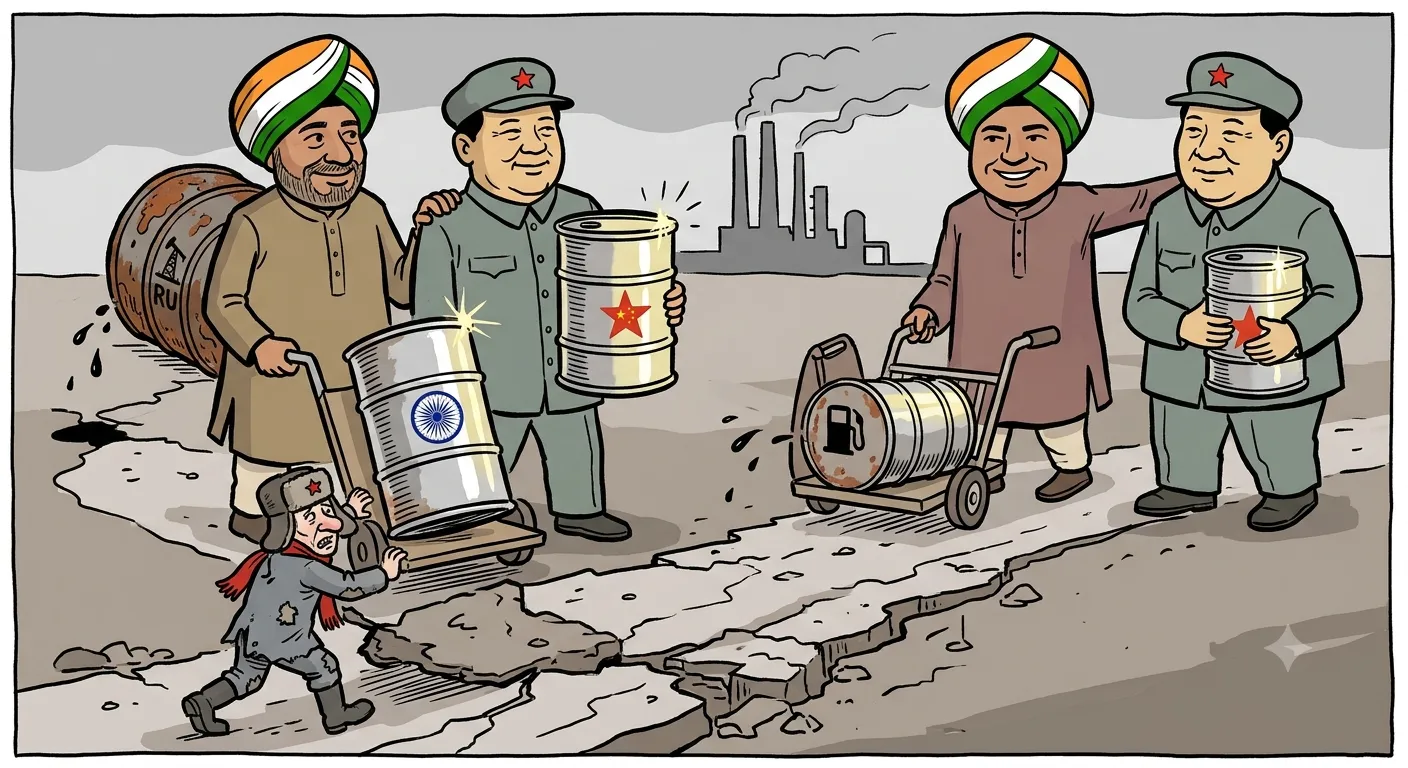
Паливна криза в Росії набирає обертів: імпорт з Індії та Китаю як вимушений вихід

Парадокс нафтової держави Здавалося б, неможливо уявити ситуацію, за якої країна, що видобуває понад 9 мільйонів барелів нафти на добу, змушена закуповувати паливо за кордоном. Проте Росія у 2024–2025
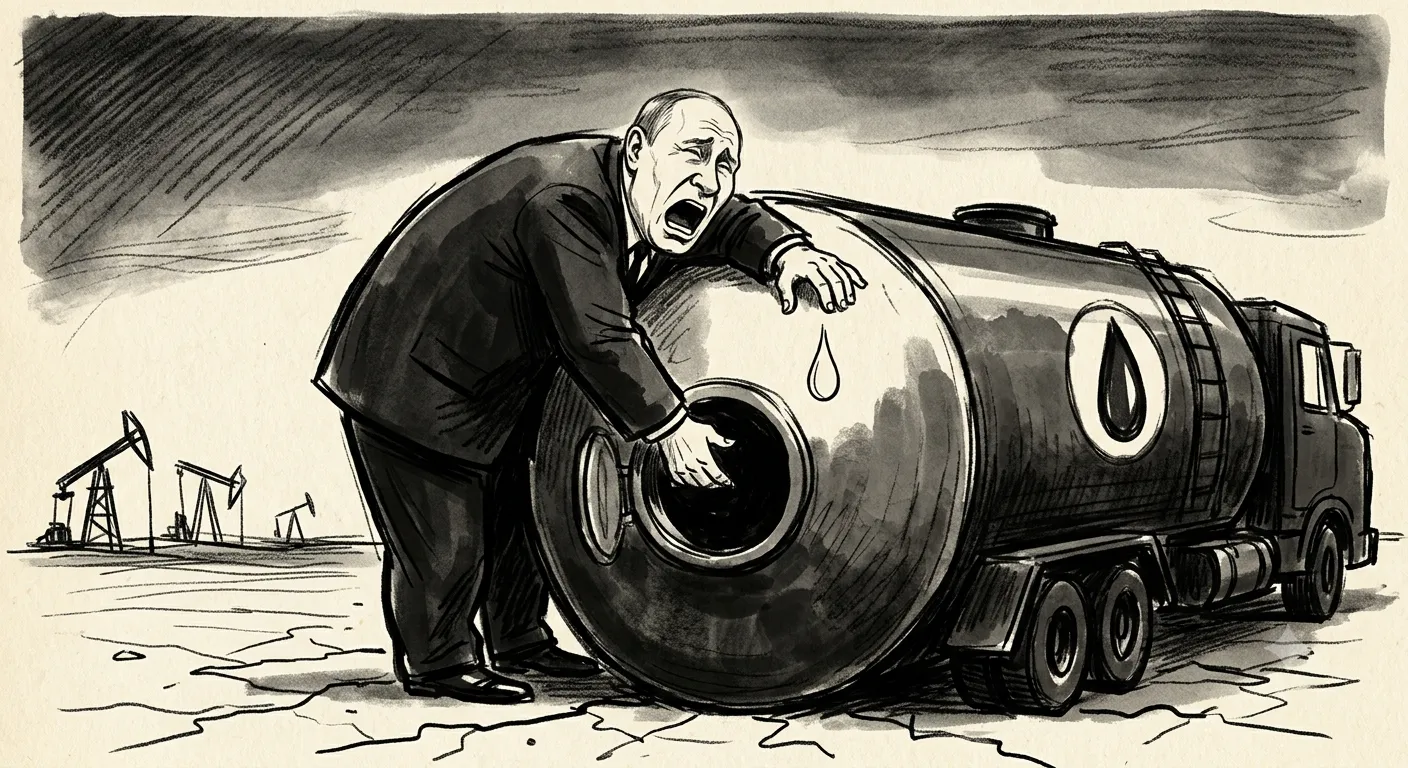
Путін визнав дефіцит палива в Росії: аналіз промови та перспективи паливної кризи 2026
Момент, якого в Кремлі намагалися уникнути 28 червня 2026 року сталася подія, яку ще кілька місяців тому неможливо було уявити: Путін сів за стіл наради з урядом і керівниками найбільших нафтових комп
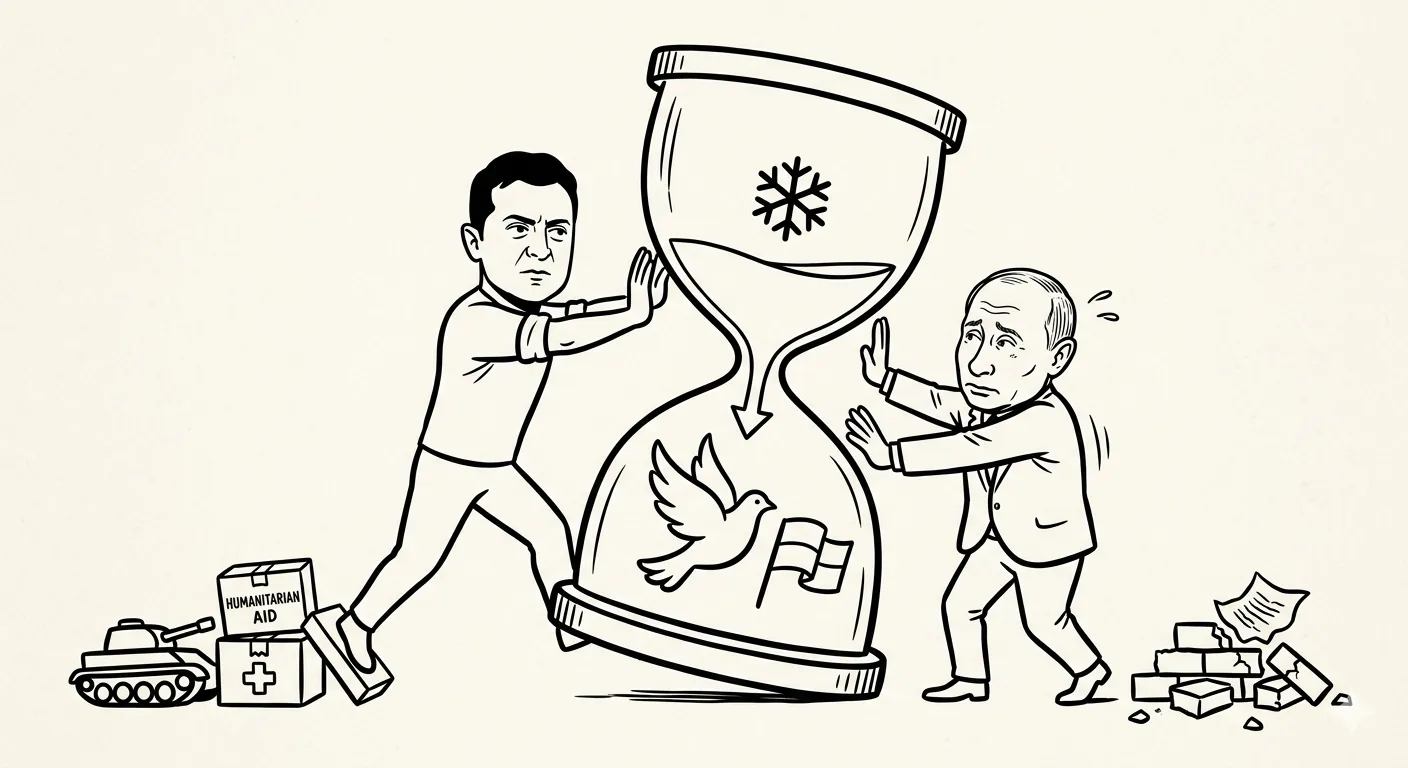
Зеленський дав Путіну дедлайн до зими 2026: цілі, дії України та відповідь Росії
Не «40 днів», а «до зими»: що насправді сказав Зеленський і що за цим стоїть У медіапросторі наприкінці червня 2026 року активно тиражується формулювання «Зеленський дав Путіну 40 днів». Це спрощення
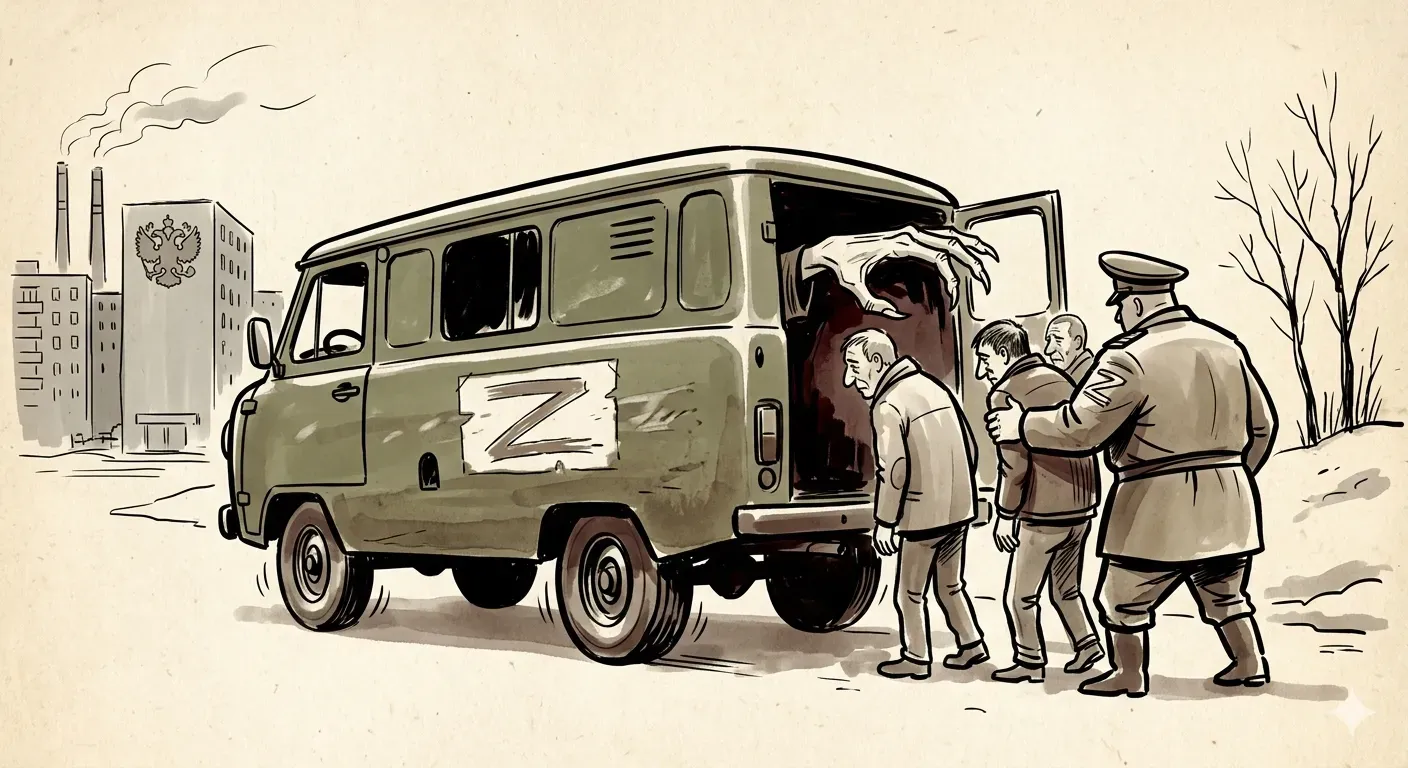
Бусифікація в Пензі: перегини чи системна політика Росії
У середині червня 2026 року жителі Пензи та прилеглих міст — Каменки й Кузнецька — зіткнулися з явищем, яке раніше здавалося виключно українською реалією. 17 червня місцева жителька оприлюднила у соці